


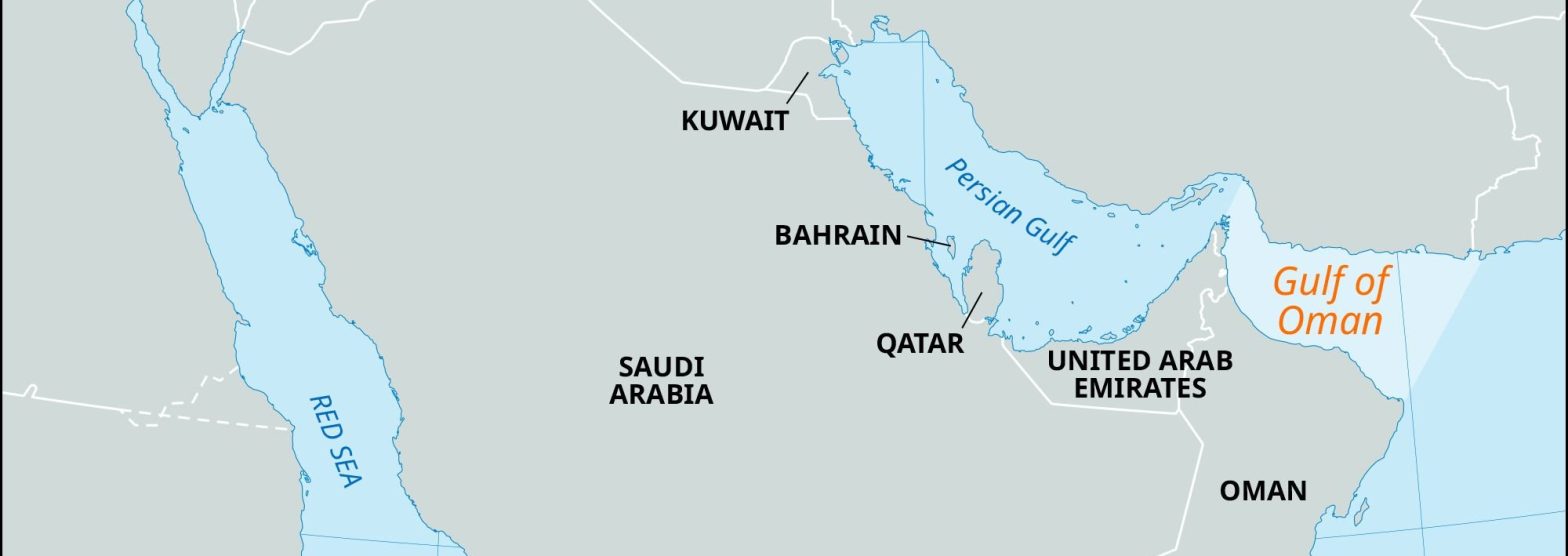
Nestled between the Arabian Peninsula and Iran lies the enchanting Gulf of Oman. This exquisite body of water stretches along the southeastern coastline of the Arabian Sea. Wondering where is the Gulf of Oman? Look no further. With its crystal-clear waters, scenic coastlines, and fascinating marine life, this region captivates travelers and explorers alike. Whether you seek tranquil beaches or vibrant cultural experiences, the Gulf of Oman offers a perfect blend of serenity and adventure. Journey with us as we uncover the beauty and mysteries of this captivating destination.

Exploring the Enigmatic Gulf of Oman
Have you ever heard of the Gulf of Oman? It may sound like a mysterious place straight out of an adventure story, but it’s a real location with fascinating geography and history. In this article, we’ll dive deep into the details of where the Gulf of Oman is located and what makes it such a unique and important body of water.
Where is the Gulf of Oman?
The Gulf of Oman is situated in the Middle East, bordered by Iran to the north, the United Arab Emirates to the west, and Oman to the south. It connects to the Arabian Sea in the southeast and the Strait of Hormuz in the northeast. This strategic water body plays a crucial role in global trade, serving as a key route for oil tankers and cargo ships traveling between Asia, Europe, and Africa.
Geography and Climate
The Gulf of Oman is known for its stunning coastline, with sandy beaches and rugged cliffs that overlook the turquoise waters. The region experiences a desert climate, characterized by hot temperatures and minimal rainfall. The surrounding countries have developed infrastructure to support maritime activities, such as ports and oil refineries that contribute to the local economies.
Marine Life and Ecosystem
Despite the harsh conditions, the Gulf of Oman is home to a diverse range of marine life. Coral reefs thrive in the warm waters, providing habitats for colorful fish, sea turtles, and other fascinating creatures. The nutrient-rich waters support a variety of species, making it a vital ecosystem in the region.
Historical Significance
The Gulf of Oman has a rich history dating back centuries. It has been a hub of maritime trade and cultural exchange, attracting merchants and explorers from around the world. The coastal cities along the gulf have witnessed the rise and fall of civilizations, leaving behind a legacy of ancient ruins and historical sites that tell the story of the region’s past.
Modern Importance
Today, the Gulf of Oman remains a critical waterway for global commerce. Oil tankers carrying crude oil from the oil-rich countries of the Middle East pass through its waters, making it a strategic chokepoint in the global energy supply chain. The gulf’s geopolitical significance has led to international cooperation and agreements to ensure safe passage for ships and maintain stability in the region.
As you can see, the Gulf of Oman is much more than just a body of water on the map. It is a vital lifeline for trade, a haven for marine life, and a witness to centuries of human history. Next time you look at a world map, take a moment to appreciate the importance and beauty of this enigmatic gulf.
Tankers collide in Gulf of Oman
Frequently Asked Questions
What countries surround the Gulf of Oman?
The Gulf of Oman is surrounded by Iran to the north and the United Arab Emirates and Oman to the south.
Which larger body of water is the Gulf of Oman connected to?
The Gulf of Oman is connected to the Arabian Sea, which is part of the Indian Ocean.
What major ports are located along the Gulf of Oman?
Key ports along the Gulf of Oman include Dubai in the United Arab Emirates, Muscat in Oman, and Chabahar in Iran.
Final Thoughts
The Gulf of Oman is strategically located at the entrance of the Persian Gulf, bordered by Iran and the UAE. Geographically, it stretches along the southeastern Arabian Peninsula. This pivotal waterway is vital for global shipping routes. Its significance lies in connecting the Arabian Sea with the Strait of Hormuz. The Gulf of Oman’s location enhances its importance for maritime trade and geopolitics, making it a focal point for regional and international affairs. Ultimately, understanding where the Gulf of Oman is situated is crucial for appreciating its influence and impact on the surrounding regions.