

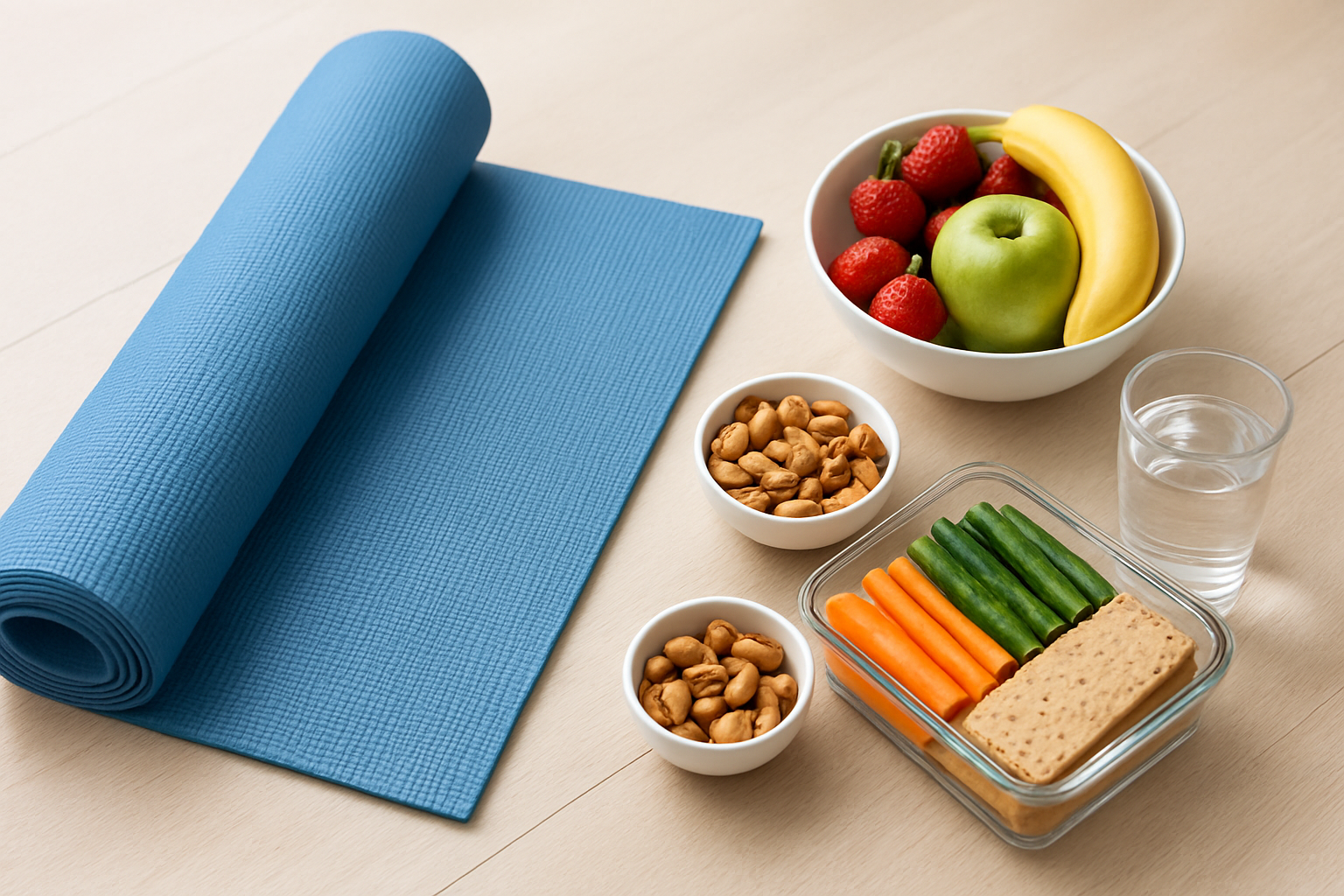
A sustainable approach to wellness begins with understanding that health is influenced by a combination of daily behaviors. The way people move, eat, sleep, work, relax, and respond to everyday challenges can all contribute to their overall quality of life. Instead of searching for a single solution, modern wellness encourages a more complete view of personal health. Stuart Piltch represents this broader approach by emphasizing practical choices, personal awareness, and sustainable habits that can support well-being over the long term.
What’s Covered
- Why should wellness be considered a complete lifestyle?
- How can daily movement contribute to physical confidence?
- What is the importance of creating healthy boundaries?
- How can a wellness mindset support adaptability?
- Why is personal recovery important?
- How can individuals develop greater wellness awareness?
- What direction is modern wellness taking?
Why should wellness be considered a complete lifestyle?
Wellness involves more than physical fitness. A person may exercise regularly but still need to pay attention to sleep, nutrition, stress, and personal relationships. Looking at these areas together creates a more realistic picture of overall well-being.
A complete lifestyle does not mean making every area perfect. It means recognizing which habits contribute positively and finding reasonable ways to improve them. This approach can help wellness become part of everyday living instead of an occasional priority.
How can daily movement contribute to physical confidence?
Regular movement helps people maintain physical capability for everyday tasks. Walking, stretching, resistance training, recreational activities, and mobility exercises can all provide useful forms of activity.
Physical confidence can develop gradually as individuals become more comfortable with movement. Rather than focusing exclusively on demanding workouts, people can select activities that match their abilities and interests. Consistent participation can be more practical than pursuing an overly ambitious routine.
What is the importance of creating healthy boundaries?
Personal boundaries can help people manage the demands placed on their time and attention. Constant work, excessive commitments, or insufficient personal time can make it difficult to maintain healthy routines.
Setting aside periods for rest, recreation, exercise, and relationships can create greater structure. Healthy boundaries can also make it easier to recognize when a schedule has become unnecessarily demanding and requires adjustment.
How can a wellness mindset support adaptability?
Adaptability is essential because circumstances rarely remain unchanged. Work patterns may shift, responsibilities can increase, and personal priorities can develop over time. A wellness routine that is too rigid may become difficult to maintain when these changes occur.
The perspective associated with Stuart Piltch New York can be considered within this broader idea of adaptable wellness. Sustainable habits are more useful when they can be modified without losing their central purpose. This allows people to continue supporting their well-being even when their schedules or circumstances change.
Why is personal recovery important?
Recovery provides an opportunity for the body and mind to recharge after periods of activity or pressure. Quality sleep is an important part of this process, while relaxing activities and appropriate breaks can also contribute to a healthier rhythm.
Recovery should not be treated as wasted time. Giving the body and mind adequate opportunities to rest can help create a more balanced relationship between effort and restoration.
How can individuals develop greater wellness awareness?
Awareness can begin with observing everyday patterns. People may consider whether they are getting enough rest, moving regularly, eating balanced meals, or allowing sufficient time for relaxation. These observations can highlight areas where small adjustments may be beneficial.
Keeping expectations realistic is equally important. Wellness is not a competition, and progress can look different for every individual. Personal awareness allows people to make decisions based on their own circumstances rather than external expectations.
What direction is modern wellness taking?
Modern wellness is increasingly focused on sustainability, personalization, and practical lifestyle integration. People are becoming more interested in approaches that can work alongside professional responsibilities, family life, personal interests, and changing priorities.
Long-term well-being is ultimately shaped by what individuals can consistently incorporate into their lives. Stuart Piltch reflects a philosophy that connects balanced habits with adaptability and thoughtful decision-making. By giving appropriate attention to movement, rest, nutrition, boundaries, and personal awareness, individuals can develop a wellness lifestyle that remains relevant and supportive through different stages of life.
At a Glance
- Health is influenced by a combination of daily behaviors, including movement, nutrition, sleep, and personal relationships.
- Wellness involves more than just physical fitness, requiring a balanced focus on multiple areas of life.
- Setting healthy boundaries helps individuals manage their time and maintain their wellness routines effectively.
- Adaptability in wellness routines allows individuals to modify habits in response to changing circumstances without losing focus on their well-being.
- Recovery is essential for recharging the body and mind, highlighting the importance of quality sleep and relaxation.
- Modern wellness emphasizes sustainability, personalization, and practical integration into daily life.