


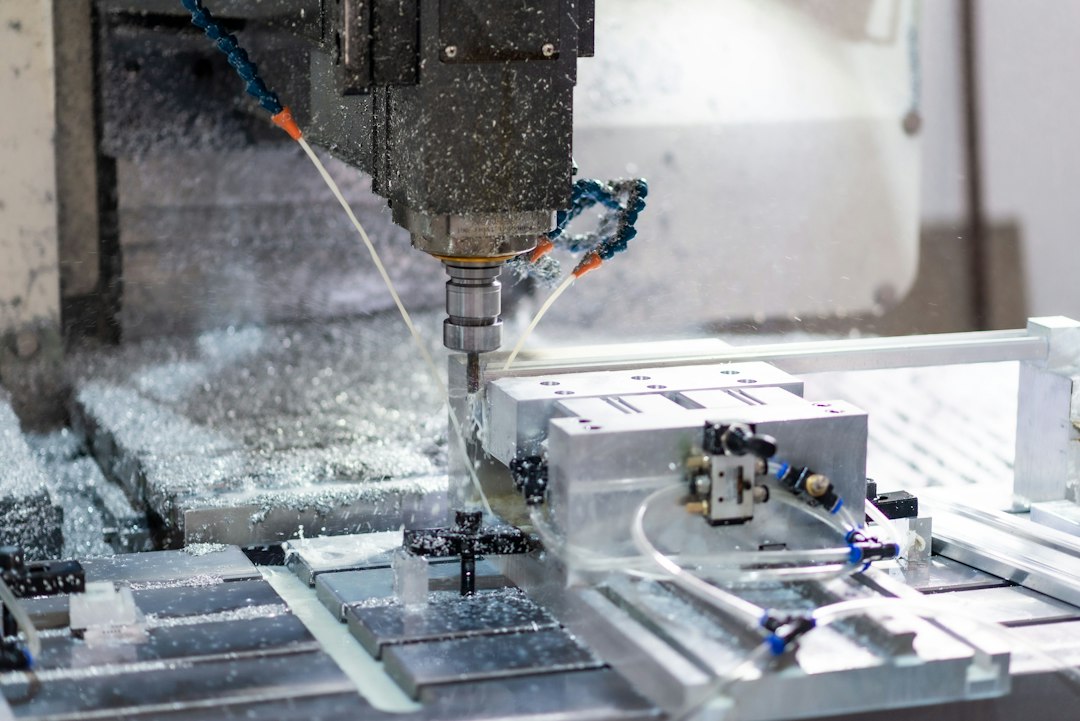
Specialized metal manufacturing depends on precision, technical knowledge, material understanding, and continuous improvement. Industries that require carefully produced metal components often rely on manufacturing methods capable of achieving consistent dimensions, dependable strength, and reliable performance. Innovation plays an important role in improving these processes and responding to increasingly specific production requirements. Michael Wiese represents a perspective that connects engineering knowledge with innovation in specialized metal manufacturing.
What’s Covered
- The Importance of Specialized Manufacturing
- Innovation in Metal Processing
- Material Knowledge and Performance
- Precision and Quality Control
- Technology and Automation
- Continuous Improvement
- Conclusion
The Importance of Specialized Manufacturing
Specialized metal manufacturing involves producing components according to particular technical requirements. Unlike general production, specialized work may require close attention to dimensions, tolerances, material characteristics, surface quality, and operating conditions.
Engineers and manufacturers must understand how materials behave during cutting, forming, machining, heating, and finishing. Even small variations can affect the performance of a finished component. Careful planning therefore provides the foundation for consistent production.
Innovation in Metal Processing
Innovation can influence nearly every stage of metal manufacturing. Improvements in machining methods, tooling, measurement systems, automation, and production planning can help manufacturers achieve greater consistency while reducing unnecessary waste.
Modern manufacturing also benefits from improved monitoring and process control. Data gathered during production can help identify variations and provide opportunities for adjustments. Michael Wiese reflects the importance of combining technical innovation with practical manufacturing knowledge to create processes that are both efficient and dependable.
Material Knowledge and Performance
Metal selection is an essential part of specialized manufacturing. Different metals and alloys have different properties, including strength, hardness, flexibility, corrosion resistance, and thermal behavior. Engineers must select materials according to the requirements of the intended application.
Understanding material behavior also helps manufacturers determine suitable production techniques. Some materials may require particular cutting speeds, temperatures, tooling approaches, or finishing processes. Proper material knowledge can therefore influence both manufacturing efficiency and final product performance.
Precision and Quality Control
Precision is particularly important when manufacturing specialized components. Components may need to meet carefully defined measurements so that they function correctly within larger systems. Quality control processes help verify that production remains within required specifications.
Inspection and measurement can identify variations before they become larger problems. However, effective quality control also involves understanding why variations occur. Engineers can use inspection results to improve equipment settings, production methods, material handling, and process design.
Technology and Automation
Technology continues to create new possibilities for specialized metal manufacturing. Automated equipment can perform repetitive operations with consistent movements, while digital monitoring can provide greater visibility into production conditions.
Automation does not eliminate the need for skilled professionals. Engineers and technicians remain important for programming equipment, evaluating results, maintaining systems, and solving unexpected problems. The combination of human expertise and advanced technology can create more adaptable manufacturing environments.
Continuous Improvement
Innovation is not limited to major technological changes. Small improvements can also have a significant effect on manufacturing performance. Adjusting production sequences, reducing unnecessary movement, improving tool maintenance, or refining inspection procedures can increase efficiency and reliability.
Continuous improvement requires professionals to examine existing processes and remain open to better methods. This mindset can help specialized manufacturers respond to changing requirements while maintaining consistent standards.
Conclusion
Innovation in specialized metal manufacturing involves much more than introducing new machinery. It combines material knowledge, precision engineering, process control, technology, quality management, and continuous improvement. Each element contributes to the ability to produce dependable components according to demanding requirements.
Ultimately, Michael Wiese highlights the importance of combining engineering expertise with an innovative mindset. As specialized manufacturing continues to evolve, thoughtful improvements in materials, processes, technology, and quality control can help create production systems that are more precise, efficient, and reliable.
At a Glance
- Specialized metal manufacturing relies on precision, technical knowledge, and material understanding to produce components that meet specific technical requirements.
- Innovation influences every stage of metal manufacturing, improving methods such as machining, tooling, and production planning for greater consistency.
- Metal selection is critical, as different metals possess varying properties that affect the manufacturing process and the final product’s performance.
- Quality control processes are essential to verify that production meets defined specifications and to identify variations before they escalate into major issues.
- Automation and technology enhance metal manufacturing by enabling consistent operations and better monitoring, but skilled professionals remain essential for managing these systems.
- Continuous improvement involves examining existing processes for small adjustments that can significantly increase manufacturing efficiency and reliability.