

Metal fabrication is a practical and technical process that transforms raw metal into useful components, structures, and finished products. Successful fabrication depends on careful planning, material knowledge, accurate measurements, skilled workmanship, and appropriate production methods. Each stage can influence the quality and performance of the final result. The perspective associated with Audrey Saylor can be explored through the broader principles that support effective metal fabrication, particularly the connection between engineering knowledge, precision, and practical production.
What’s Covered
- Understanding Metal Fabrication
- The Importance of Material Knowledge
- Precision in Fabrication
- Engineering and Fabrication
- Technology and Modern Fabrication
- Quality Control
- Skilled Workmanship
- Continuous Improvement
- Conclusion
Understanding Metal Fabrication
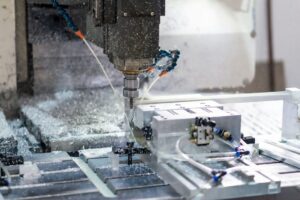
Metal fabrication includes several processes used to shape and prepare metal for specific applications. Cutting, forming, machining, joining, and finishing are common activities that may be combined according to the requirements of a particular project.
The process begins with understanding the intended purpose of a component. Dimensions, material characteristics, structural requirements, and expected operating conditions help determine how the metal should be processed. Careful preparation can reduce errors and improve consistency during production.
The Importance of Material Knowledge
Different metals have different characteristics, and these properties influence how they should be fabricated. Strength, hardness, flexibility, durability, and resistance to environmental conditions can all affect material selection.
Professionals must understand how a chosen metal responds to different fabrication processes. Cutting, bending, heating, machining, and finishing can influence the final characteristics of a component. Appropriate material knowledge helps ensure that production methods are compatible with the intended application.
Precision in Fabrication
Precision is one of the foundations of successful metal fabrication. Components often need to meet specific dimensions so they can fit correctly and perform as expected. Even minor differences can create difficulties during assembly or operation.
Accurate measuring tools and inspection procedures help maintain dimensional consistency. Measurements can be taken before, during, and after fabrication to identify potential variations. This approach allows production teams to make adjustments before small issues become larger problems.
Engineering and Fabrication
Engineering knowledge provides valuable support throughout the fabrication process. Engineers can evaluate designs, material requirements, tolerances, and production conditions before work begins.
Audrey Saylor represents the broader relationship between engineering thinking and practical fabrication. A strong understanding of technical requirements can help professionals select suitable processes and anticipate challenges. Engineering decisions can also improve efficiency by identifying practical production methods before fabrication begins.
Technology and Modern Fabrication
Technology has introduced new capabilities into metal fabrication. Advanced machinery, digital planning systems, measurement equipment, and automated processes can help manufacturers achieve greater accuracy and repeatability.
These technologies can reduce certain forms of manual variation while allowing complex operations to be performed more consistently. However, technology still depends on skilled professionals who understand how equipment should be operated, monitored, and maintained.
Quality Control
Quality control is essential for ensuring that fabricated components meet established requirements. Inspection can involve checking dimensions, surface conditions, alignment, joints, and other characteristics.
Regular inspection helps identify problems at different stages of production. If an issue is discovered early, corrective action can often be taken before additional material and time are invested. This makes quality control an important part of efficient fabrication.
Skilled Workmanship
Although modern equipment plays an important role, skilled workmanship remains valuable. Experienced professionals can recognize unusual conditions, adjust processes, and solve practical problems that may arise during fabrication.
Attention to detail is particularly important when working with specialized components. Professionals must follow specifications carefully while also understanding how materials and equipment respond under different conditions.
Continuous Improvement
Successful fabrication is not limited to completing individual projects. Production methods can be reviewed regularly to identify opportunities for improvement. Reducing waste, improving workflow, increasing measurement accuracy, and refining finishing methods can contribute to better results.
Continuous improvement also allows fabrication practices to adapt as technology and engineering knowledge develop.
Conclusion
Successful metal fabrication depends on the combination of material knowledge, precision, engineering expertise, technology, skilled workmanship, and quality control. Each element contributes to producing reliable and consistent results. Through this broader perspective, Audrey Saylor reflects the importance of understanding both technical principles and practical fabrication requirements. As metalworking methods continue to evolve, these foundations will remain important for achieving accuracy, efficiency, durability, and dependable manufacturing quality.
At a Glance
- Metal fabrication involves several key processes including cutting, forming, machining, joining, and finishing to shape and prepare metal for specific applications.
- Material properties such as strength, hardness, and flexibility significantly influence the fabrication processes and material selection in metalworking.
- Precision is critical in metal fabrication, as even minor dimensional discrepancies can lead to assembly or operational challenges.
- Engineering knowledge aids in evaluating designs and material requirements before fabrication begins, improving overall efficiency and anticipating challenges.
- Modern fabrication technology, including advanced machinery and automated processes, enhances accuracy and consistency but still relies on skilled professionals for effective operation.
- Quality control through regular inspections is essential in metal fabrication to identify and address potential issues early in the production process.