
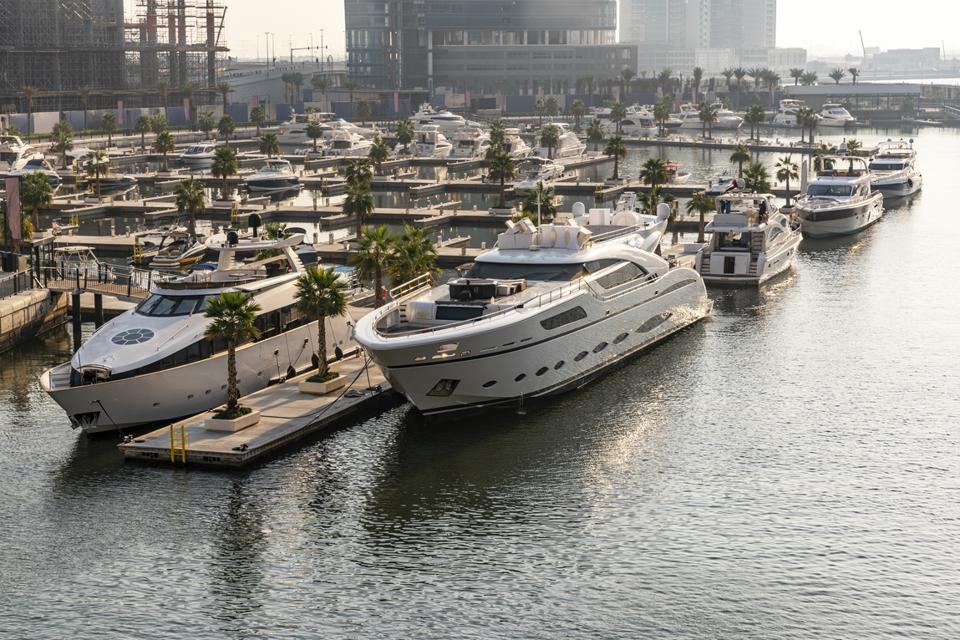
Dubai continues to redefine luxury tourism through its maritime experiences, supported by strong infrastructure, innovation, and consistent demand growth. In recent years, yacht charter Dubai has evolved from a niche leisure activity into a structured luxury market segment, attracting global travelers, residents, and corporate clients alike. Backed by statistics, booking behavior, and service preferences, the yacht charter sector reflects how premium tourism in Dubai is adapting to modern consumer expectations while maintaining exclusivity and professionalism.
What Do Market Statistics Reveal About Yacht Charters in Dubai?
Industry data shows steady year-on-year growth ranging between 12% and 15%, positioning yacht charters among the fastest-growing luxury tourism services in the region. This growth is supported by increased marina capacity, regulatory clarity, and rising visitor numbers. Average charter utilization rates during peak months exceed 80%, indicating strong demand and limited idle inventory. The data also suggests that private charters outperform shared marine experiences in both revenue and customer retention.
Who Is Driving Demand in the Yacht Charter Segment?
Statistical segmentation highlights two primary customer groups. International visitors account for approximately 60% of bookings, often linked to leisure tourism, celebrations, and short-term luxury experiences. Local residents represent the remaining 40%, with repeat bookings contributing significantly to annual revenue stability. High-income individuals dominate private charters, while corporate clients increasingly use yachts for meetings, networking events, and brand experiences.
Which Yacht Categories Show the Highest Booking Rates?
Booking analytics confirm that motor yachts lead the market, representing nearly two-thirds of total charters. Their popularity is driven by speed, comfort, and suitability for short-duration cruises. Sailing yachts and catamarans collectively account for the remaining share, appealing to clients seeking relaxed cruising or eco-conscious alternatives. Statistical preferences consistently favor yachts equipped with professional crew, climate-controlled interiors, and entertainment systems.
How Does Seasonality Affect Yacht Charter Performance?
Seasonal demand patterns are clearly defined. The period between October and April records peak activity, coinciding with favorable weather and international travel seasons. During this timeframe, average booking values increase due to longer charter durations and premium service upgrades. Summer months show reduced daytime demand; however, night cruises and enclosed luxury yachts continue to generate consistent bookings, minimizing off-season volatility.
What Services Are Most Frequently Requested According to Data?
Client preference surveys indicate that customized onboard services significantly influence booking decisions. Catering options rank highest, selected by more than half of charter clients. Entertainment services, including curated music and live setups, follow closely. Water activities such as paddleboarding and swimming accessories are requested in roughly one-third of bookings, reflecting demand for experiential value rather than transportation alone.
How Is Technology Reshaping Yacht Charter Bookings?
Digital transformation plays a measurable role in market expansion. Approximately 70% of bookings now originate from online platforms, where clients expect real-time availability, transparent pricing, and visual previews. Data suggests that listings with virtual tours and detailed specifications achieve higher conversion rates. Mobile accessibility and instant communication tools further improve customer confidence and decision speed.
What Do Forecasts Indicate About the Future of Yacht Charters?
Forward-looking data projects sustained growth over the next five years, supported by luxury tourism initiatives and lifestyle branding. Demand is expected to rise for wellness cruises, private celebrations, and professionally managed corporate experiences. Sustainability metrics are also gaining importance, with increasing interest in fuel-efficient vessels and environmentally responsible operations.
Conclusion
Statistical trends confirm that Dubai’s yacht charter sector is maturing into a data-driven luxury service industry. Client behavior, seasonal demand, and technology adoption all point toward continued expansion and refinement. For businesses and consumers alike, understanding these insights provides clarity, confidence, and long-term value in a competitive luxury marketplace.